NYU Students Join Coastal Restoration in Dominican Republic
NYU students joined Global Coralition in Cabarete to plant 144 native species and learn coral restoration in the Dominican Republic.
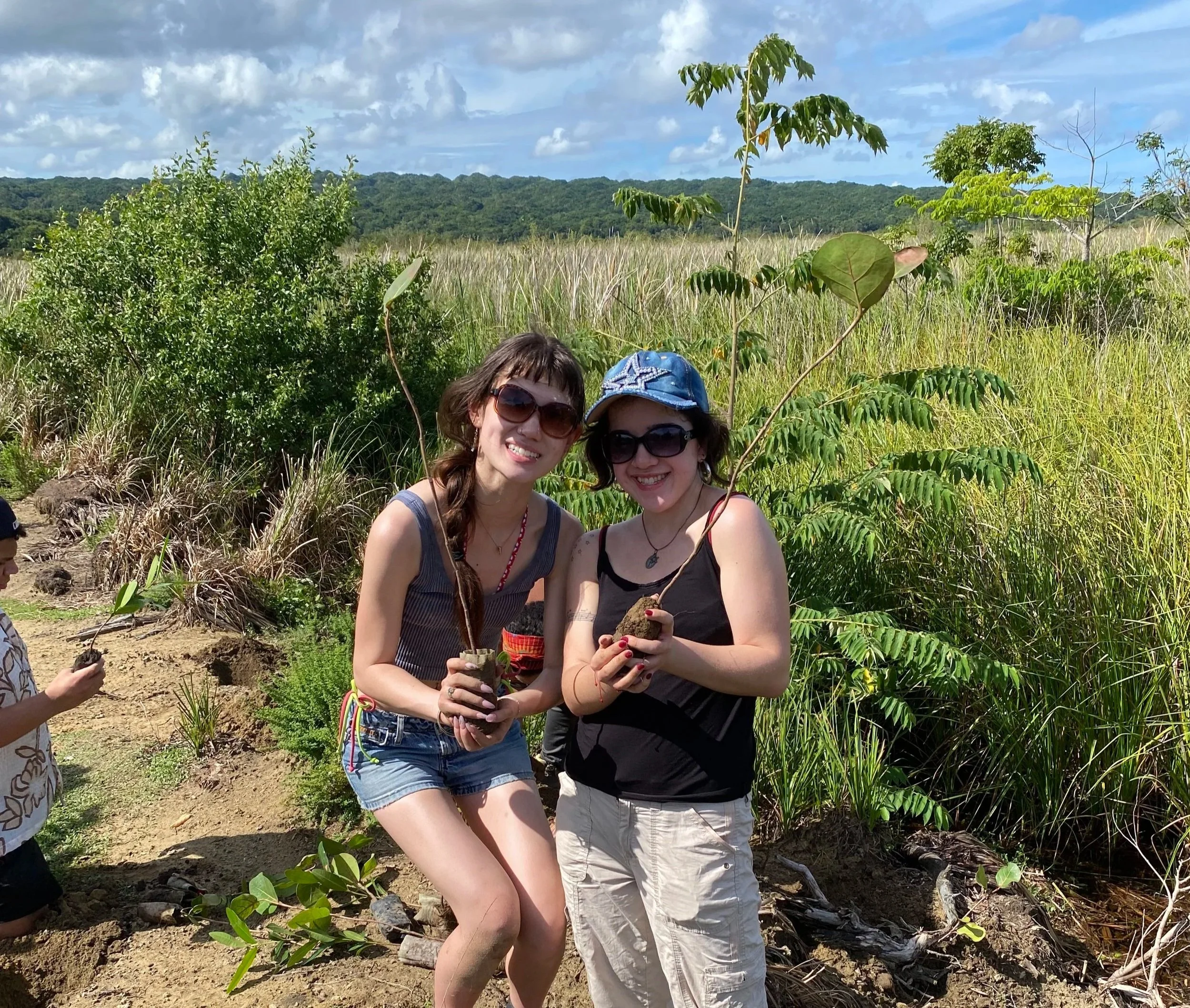
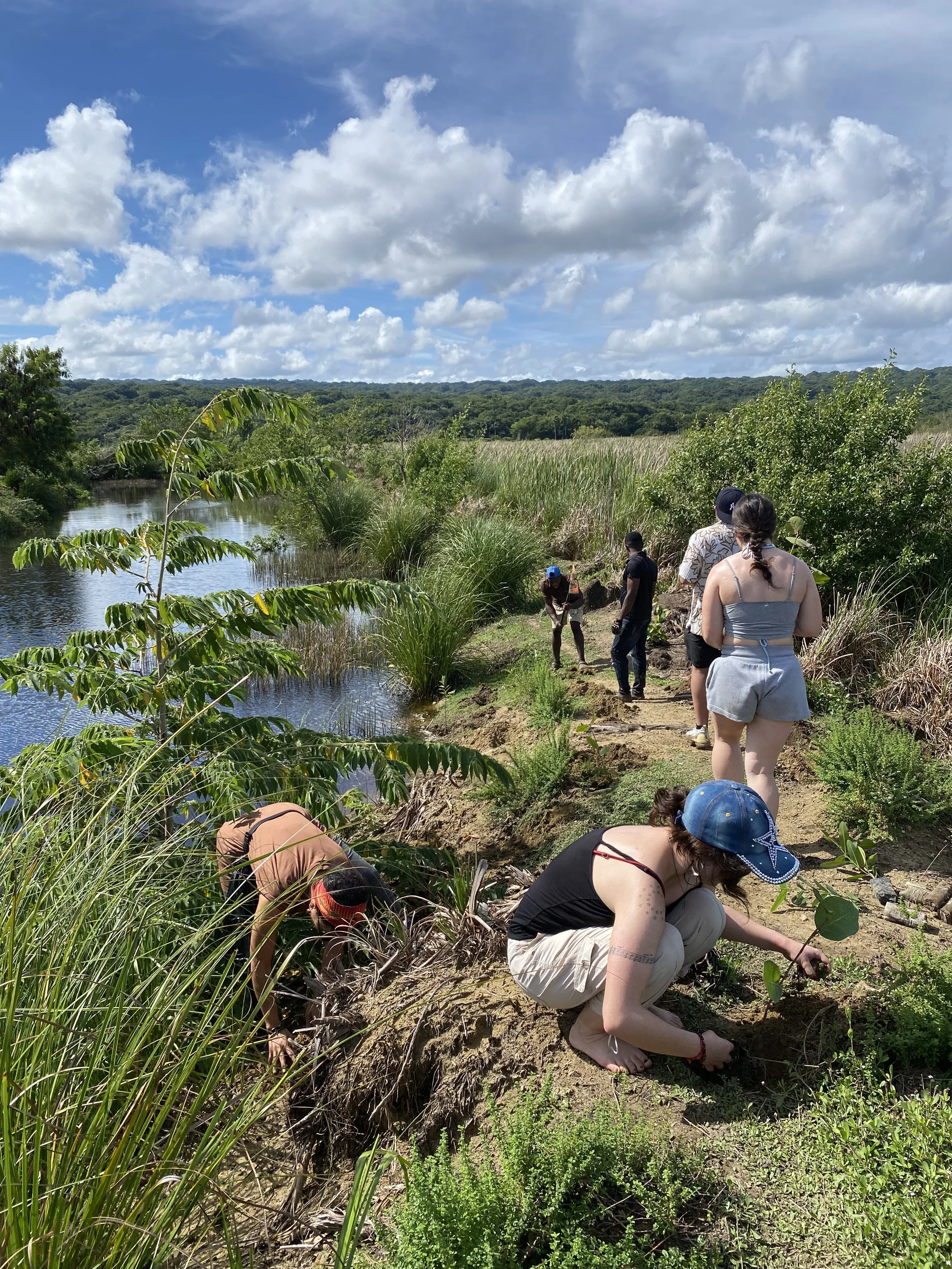
On January 13, Global Coralition and EcoSolucionesRD welcomed a group of 12 students from New York University (NYU), participating in an exchange program with PUCMM, for a full day of hands-on environmental restoration in Cabarete, Dominican Republic.
What made this visit special was not only the international exchange, but the opportunity for students to experience coastal and marine restoration firsthand, connecting theory with real-world impact.
Planting for Coastal Protection at Cabarete Lagoon
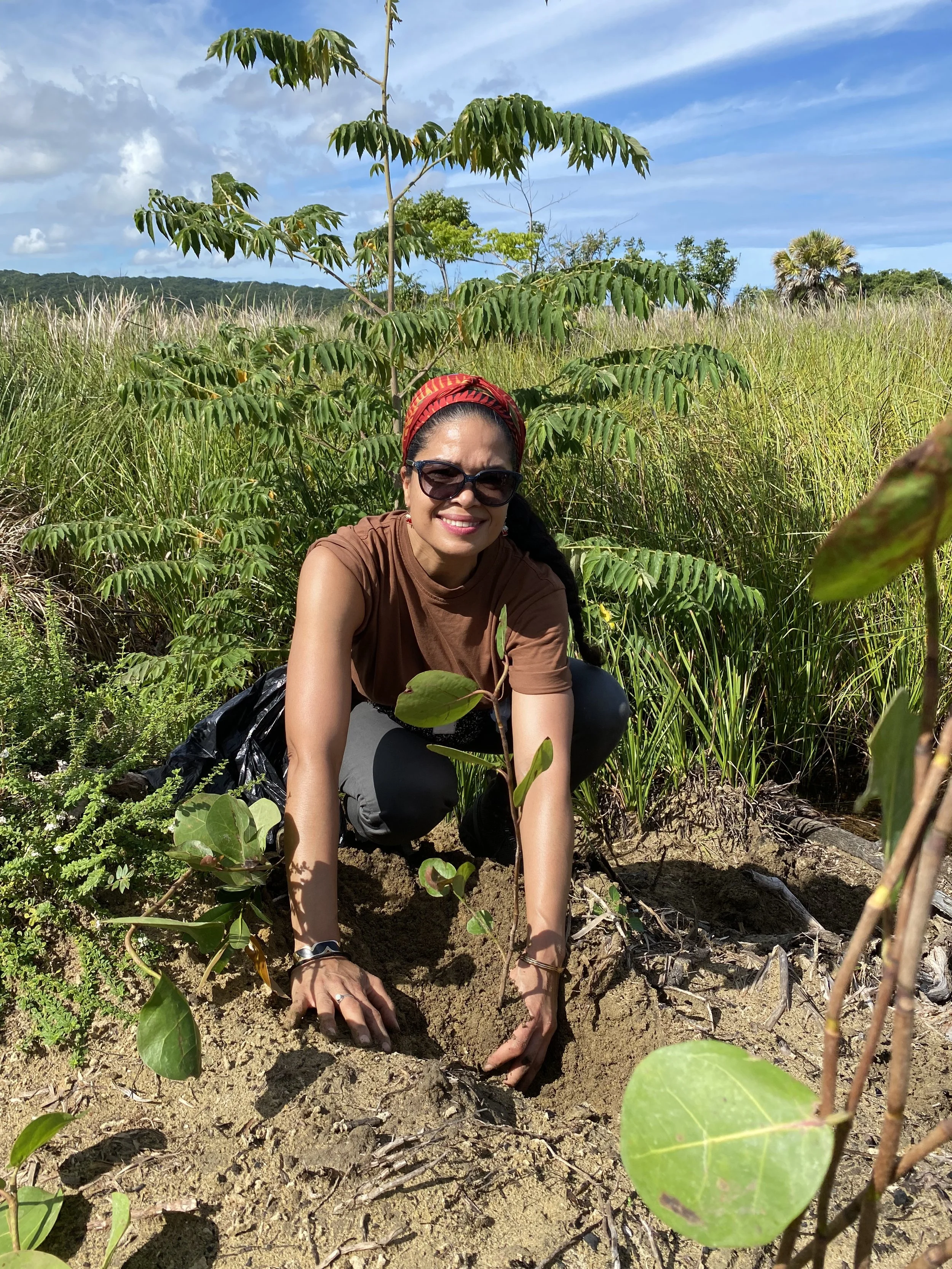
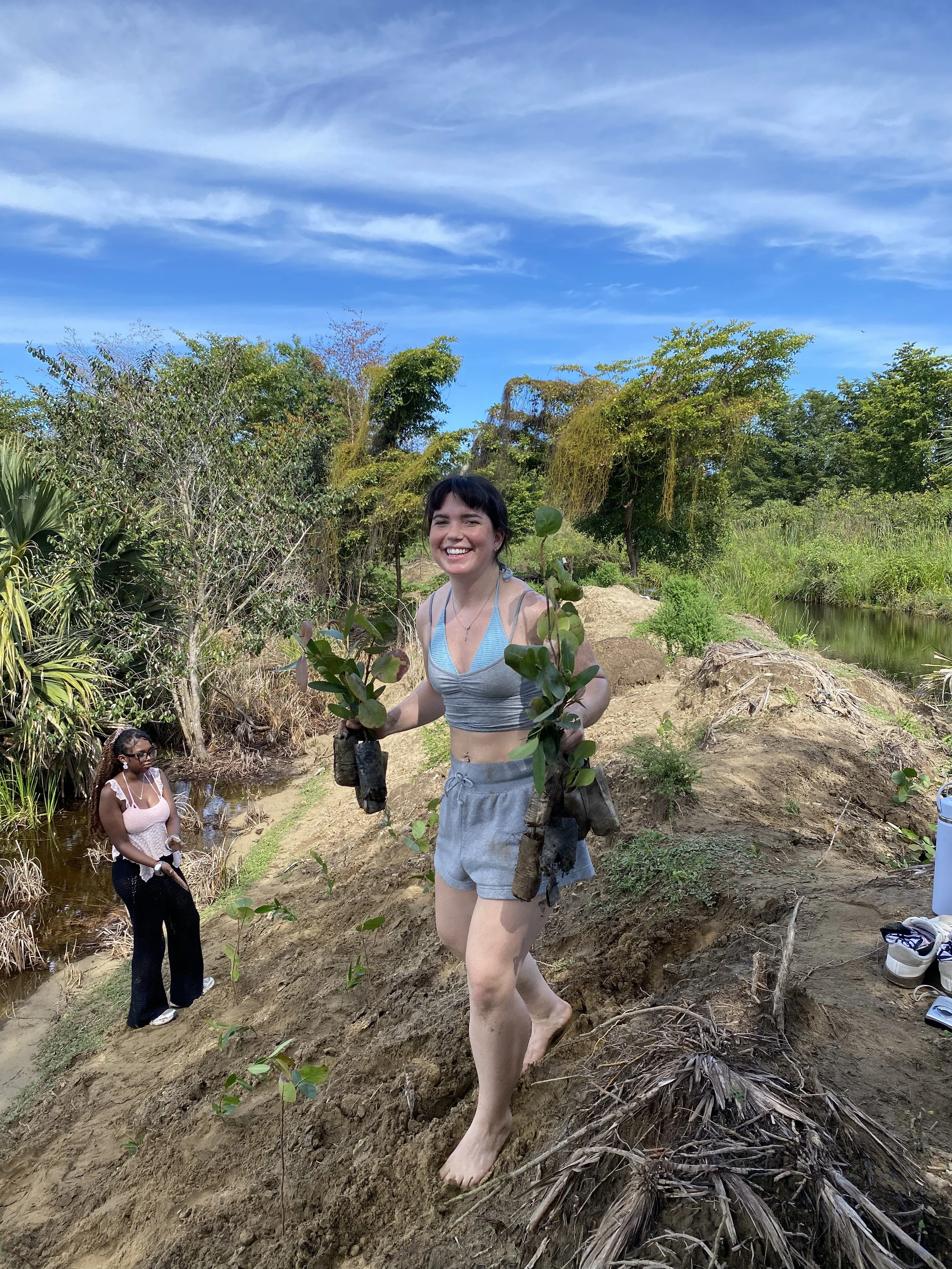
The morning began at the Cabarete Lagoon, a vital coastal ecosystem on the north coast of the Dominican Republic. From 10:00 a.m. to noon, the students actively participated in planting 144 native plants, including sea grape and maras.
Before getting their hands in the soil, the group learned why native coastal plants are essential. These species help stabilize the soil, reduce erosion, protect the lagoon’s edge, and strengthen the ecosystem’s natural resilience. In a time when coastal areas are increasingly vulnerable to climate change and development pressures, restoring native vegetation is one of the most powerful ways to protect both biodiversity and surrounding communities.
By the end of the morning, the newly planted seedlings represented more than numbers, they symbolized collaboration, learning, and tangible environmental action.
After the planting session, the group headed to the beach for lunch. It was a moment to relax, exchange perspectives, and reflect on the experience so far. The informal conversations added a meaningful cultural dimension to the day.
From Lagoon to Reef: Coral Restoration in Action
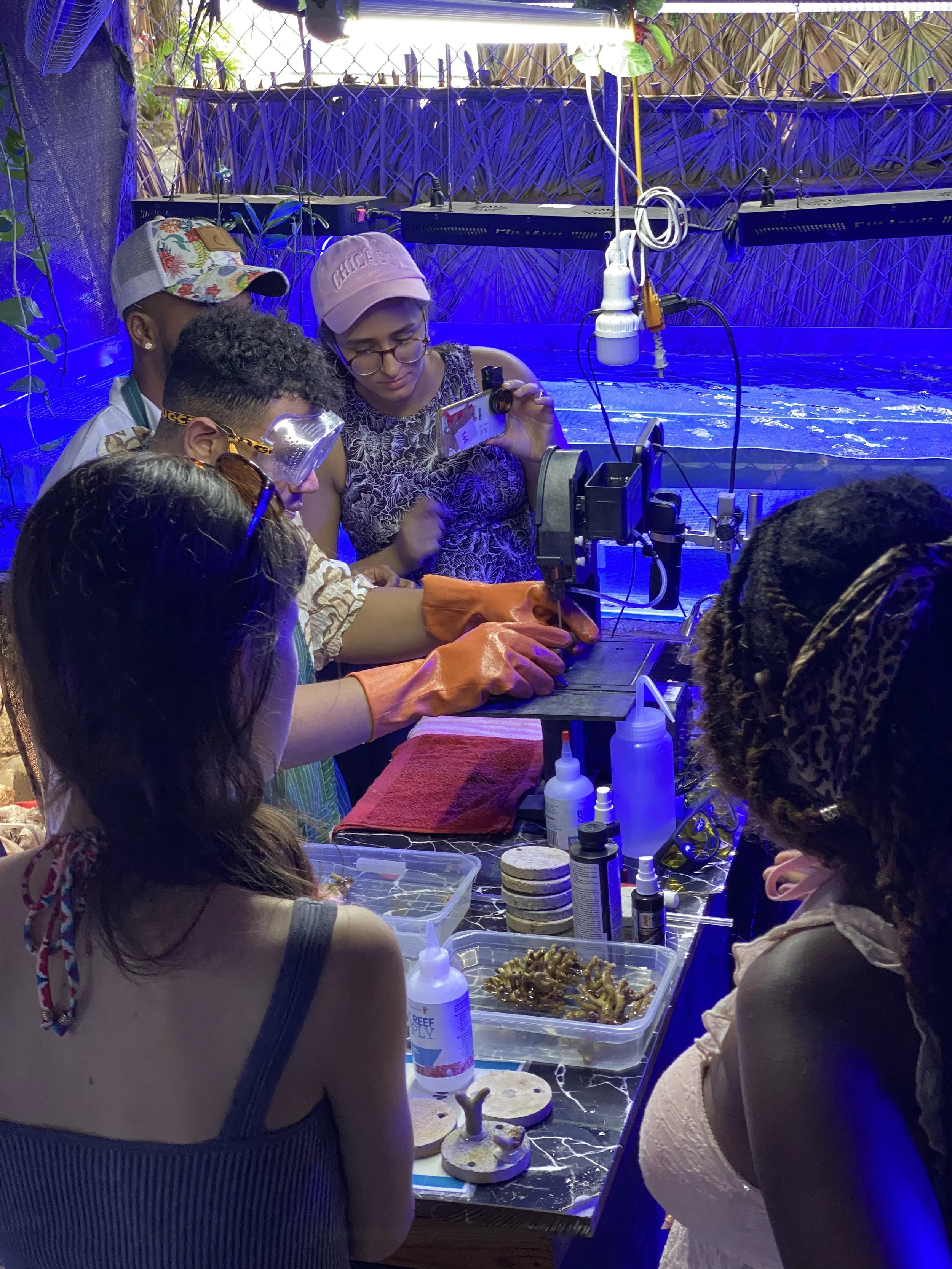
In the afternoon, the students visited Global Coralition’s Coral Laboratory at Isla Academy, where they were introduced to the organization’s broader restoration mission.
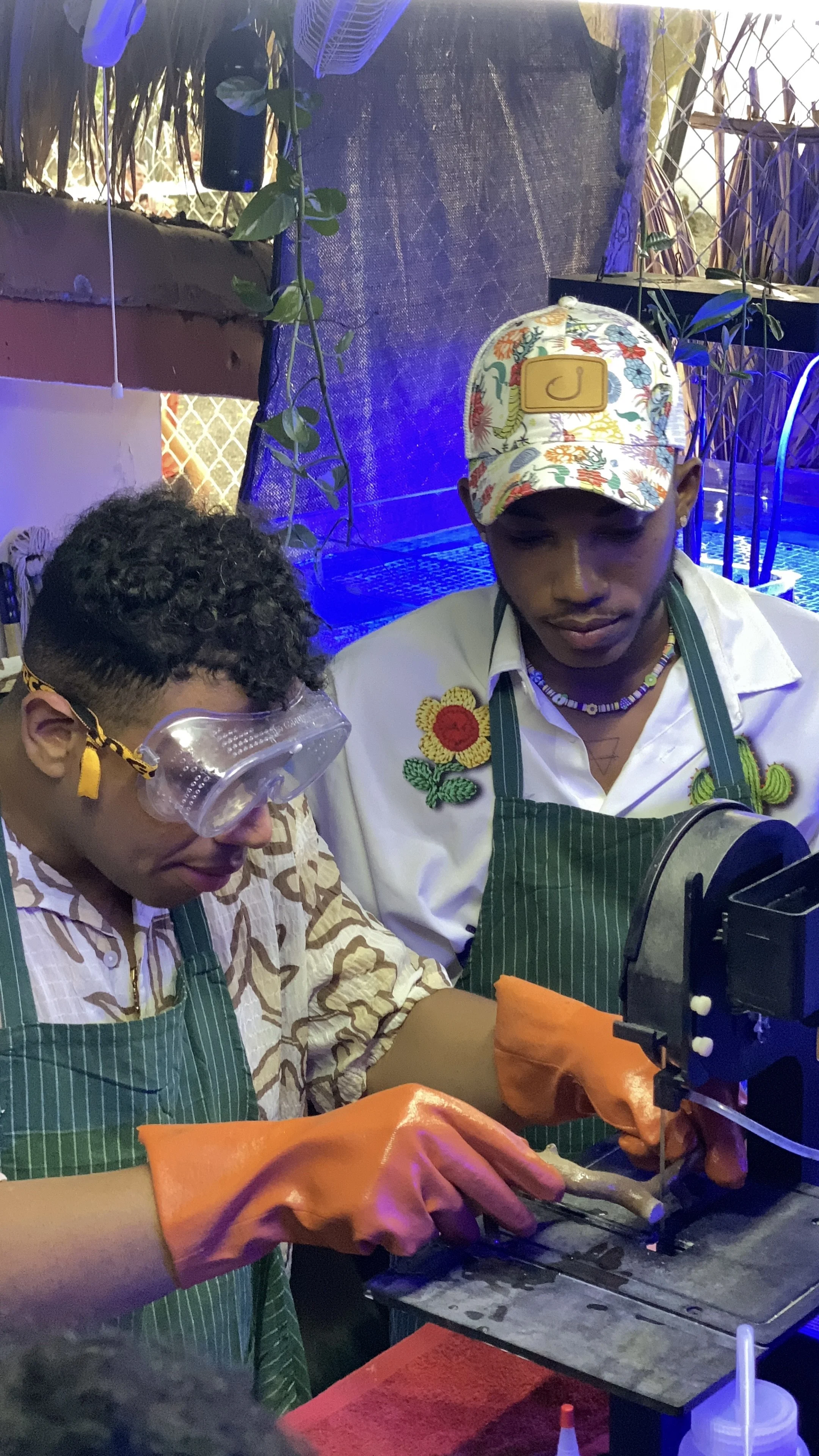
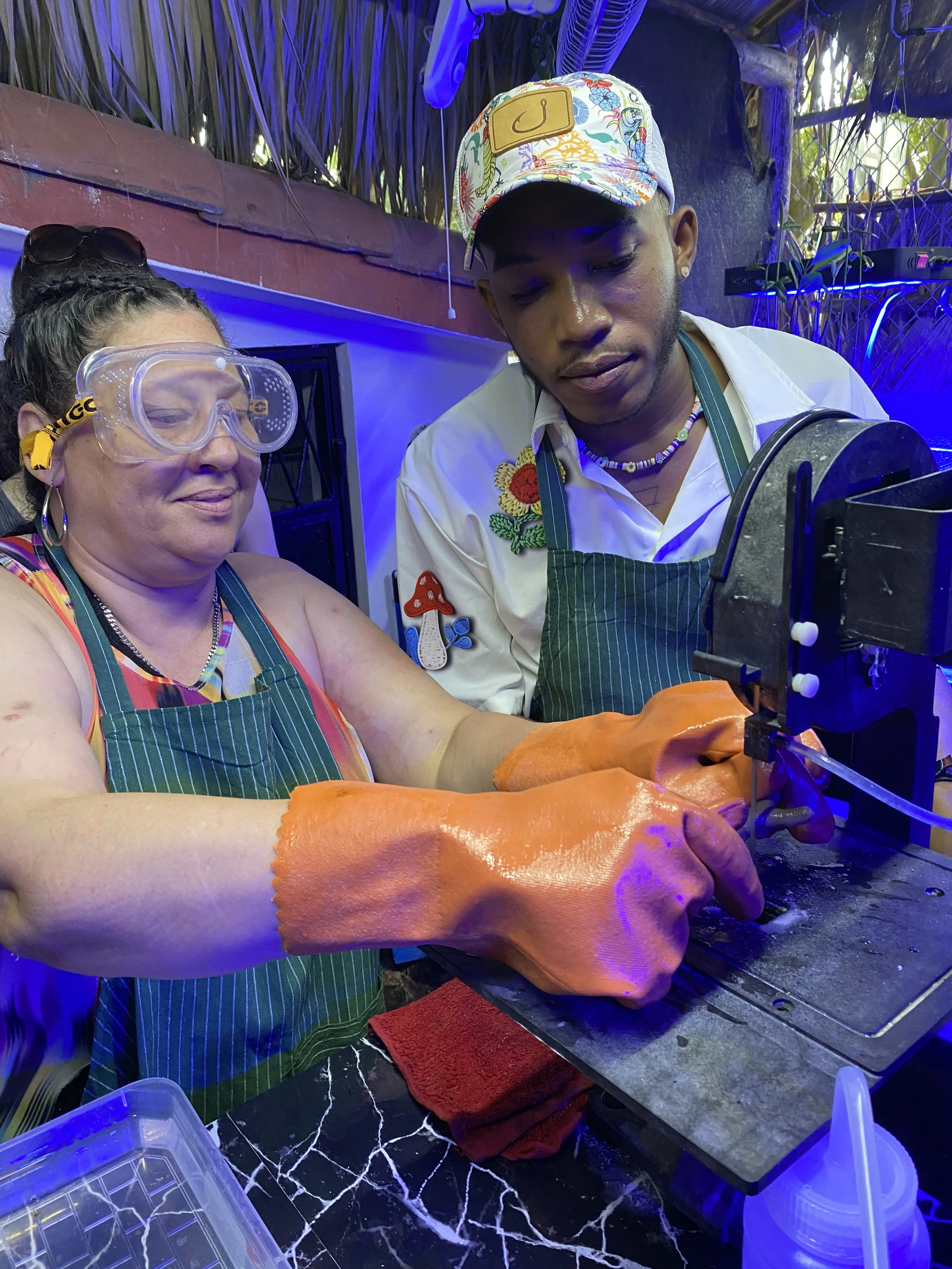
There, they witnessed a live demonstration of coral microfragmentation, an innovative technique used to accelerate coral growth and reef recovery. The team explained how coral fragments are carefully attached to specialized bases before being transferred to underwater domes for outplanting in the ocean.
For many of the students, seeing the science behind coral restoration brought new clarity to the connection between land and sea. Healthy coastlines support healthy reefs, and thriving reefs protect coastlines in return.
A Holistic View of Restoration
By the end of the day, students had gained a deeper understanding of how coastal ecosystems are interconnected, from native plants along the lagoon to coral colonies beneath the surface of the ocean.
The visit offered more than an educational tour. It was an immersive experience in environmental stewardship, demonstrating how local conservation efforts in the Dominican Republic are building resilience from ridge to reef.
Through initiatives like this, Global Coralition continues to combine education, science, and hands-on action, empowering the next generation to become active participants in protecting our planet.